The Skills You Need: Hard & Soft Skills to Be an HVAC Technician
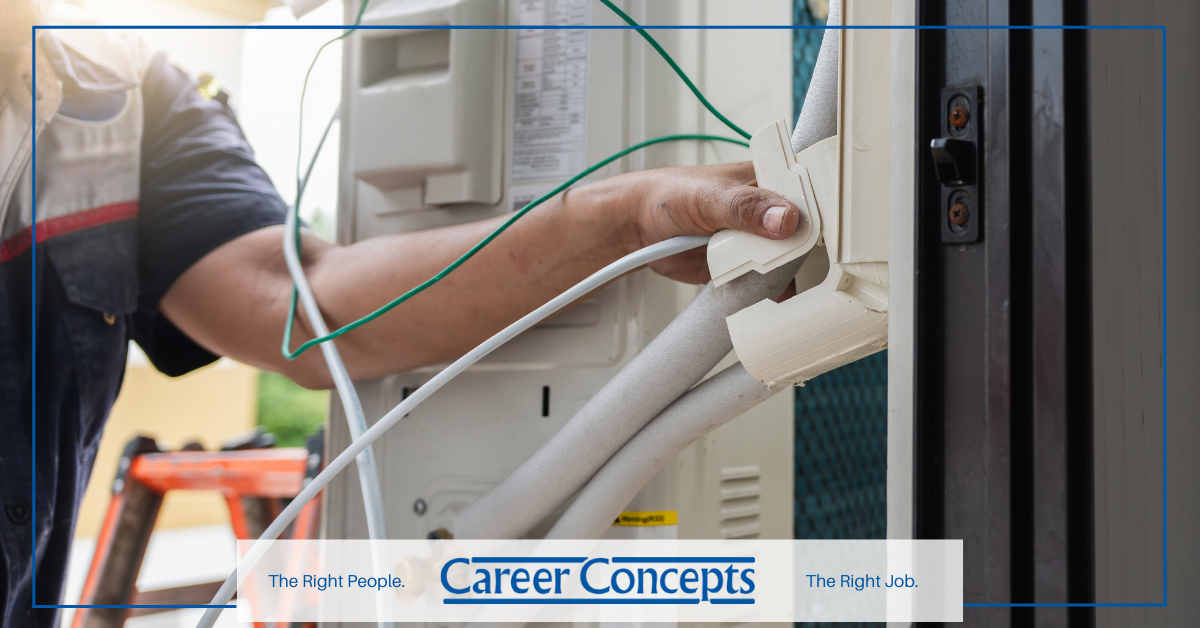
Are you seeking a hands-on career that offers job security and competitive compensation? Does the opportunity to work in different locations from day to day, solving problems with various systems, while using a varied set of technical skills sound more exciting than a desk job? If you said yes, then becoming an HVAC (Heating, Ventilation, and Air Conditioning) Technician could be a wise choice. They specialize in installing, repairing, and maintaining heating, ventilation, and air conditioning systems.
While being an HVAC Technician is a fulfilling career choice, it does, however, require key skills – both hard and soft.
Key Hard Skills Needed for HVAC Technicians
- Blueprints: To install and repair HVAC systems correctly, technicians must know how to read blueprints. This includes schematics, utility plans, mechanical drawings, and electrical and wiring diagrams.
- Mechanical Understanding: Understanding how machines function can help technicians determine whether components are malfunctioning or require replacement. Mechanical skills also include the ability to disassemble and reassemble machinery proficiently.
- Computer Skills: A successful HVAC technician is continually improving their comprehension of computer systems, designed to diagnose complex HVAC setups, respond to service calls, and create invoices.
- Safety Standards: HVAC technicians need to understand safety standards so that they can install and maintain systems properly. They should also be able to handle tools, chemicals, and inclement weather with the correct procedures and personal protective equipment to prevent accidents.
- Hand and Power Tool Experience: Being able to use hand and power tools adeptly—as well as identifying the right tools for the right job—is non-negotiable for HVAC technicians!
- Preventive Maintenance: This includes inspections, maintenance checks, and discussing protocols with your client. If you can follow up installations with preventative maintenance service and make repairs, you’ll show employers that you’re a well-rounded worker
- Wiring and Electrical skills: An HVAC technician’s duties require a fundamental understanding of the duties of an electrician, including a basic knowledge of circuits, voltage, wiring, etc.
- Pumping and Piping: The centrifugal pump is at the heart of an HVAC system, so knowing how it connects to boilers, chillers, cooling towers, and water systems is vital! A technician should also be knowledgeable about piping systems, as selecting the proper piping is crucial for both safety and efficiency.
- Ductwork Fabrication and Installation: Proper ductwork helps ensure optimum airflow in a building. Being able to install metal or flexible ductwork—which includes measuring, cutting, and sealing—is a big part of many HVAC jobs.
- Working With Smart HVAC Systems: Smart HVAC systems are on the rise, and they operate on systems that include sensors and apps. Technicians will need to know how to install, program, and connect these devices, as well as troubleshoot issues and walk users through the setup process.
- Familiarity With Gas Furnaces: Gas furnaces require special care. Technicians need to check burners, pilot lights, gas valves, and heat exchangers. It’s also essential to ensure that connections are safe to prevent dangerous leaks.
Key Soft Skills Needed for HVAC Technicians
- Teamwork: HVAC technicians collaborate frequently with other HVAC technicians, or even other tradespeople, so teamwork skills are essential!
- Communication: Clear and patient communication fosters trust and creates smooth interactions—whether it’s used to explain issues to customers or to ensure coordination between team members.
- Customer Service: Since HVAC technicians work directly with clients, customer service is a vital component of their job. Good customer service skills not only encourage repeat business; they also improve your reputation within the industry.
- Continuous Learning: The HVAC industry is constantly evolving with new technology and regulations. Technicians must stay current through training and ongoing education to deliver high-quality, modern services.
- Problem-Solving: The ability to problem-solve helps HVAC professionals to efficiently diagnose issues, devise effective solutions, and adapt to unexpected situations.
- Time Management: Efficient time management allows technicians to handle multiple service calls and projects within tight schedules.
- Organization Skills: Maintaining organized tools allows for a more effective workflow and prevents the loss of equipment or parts.
- Sales Skills: Having basic sales skills is a plus for HVAC technicians, as they will allow you to promote services, explain product options, and close deals while on site.
- Stress Management: Whether it’s demanding clients, complicated schedules, tight deadlines, or unexpected technical issues, HVAC technicians can encounter a lot of pressure on the job, making the ability to manage stress crucial!
- Leadership Potential and Supervisory Skills: As you advance through the HVAC technician career path, you might take on more leadership and supervisor roles. You may perform administrative tasks, train apprentices, oversee projects, and more. Studying leadership attributes and refining your supervisory skills will help prepare you for growth opportunities.
As you can see, becoming an HVAC technician requires a diverse range of knowledge and skill sets. Mastering both hard and soft skills can accelerate your career progression, distinguishing you from other professionals in the field and ultimately leading to significant success in this highly sought-after industry.
Due to the high demand for skilled HVAC Technicians, Career Concepts often has openings available. Contact us today and discover what’s available. We’ve been connecting the right people with the right positions for more than fifty years.
Blog published date
Share this blog
Categories
Career Concepts Blog